Why Regular Eye Check-Ups Matter More Than You Think
An eye examination is far more than a vision test. It’s a complete medical evaluation of structures that are directly connected to your brain, blood vessels, and nervous system.
Many people first learn they have:
- Glaucoma
- Diabetes-related eye disease
- High blood pressure
- Early cataracts
- Retinal or optic nerve damage
during a routine eye exam—often before they experience any symptoms at all.
Educational resources like the World Health Organization (WHO) consistently emphasize that most vision loss worldwide is preventable or treatable with early detection, making regular eye screening one of the most effective tools in modern preventive healthcare.
What Happens During a Comprehensive Eye Examination?
A proper eye check-up evaluates both how well you see and how healthy your eyes are.
Key Components of an Eye Exam
Visual Acuity Testing
Measures how clearly you see at distance and near, helping detect refractive errors such as nearsightedness, farsightedness, and astigmatism.
Refraction Assessment
Determines the exact lens prescription needed to optimize vision.
Eye Pressure Measurement (Tonometry)
Elevated eye pressure is a major risk factor for glaucoma, one of the leading causes of irreversible blindness.
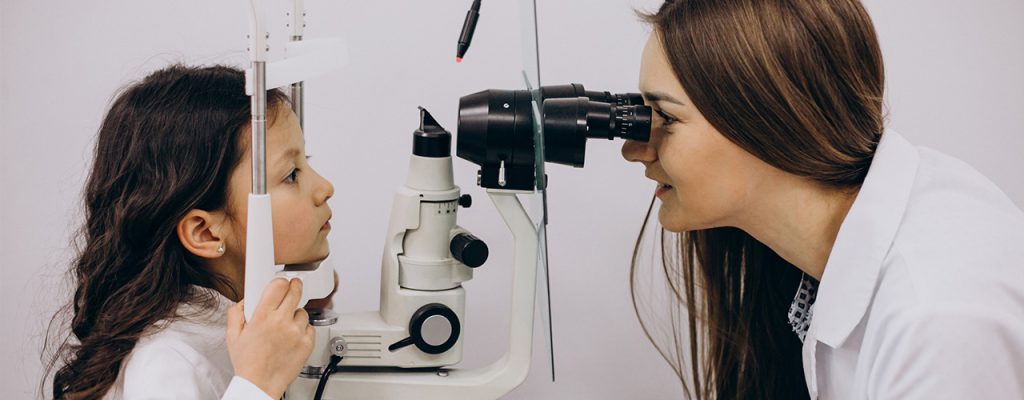
Slit-Lamp Examination
Allows detailed evaluation of the cornea, lens, and front of the eye, identifying dry eye disease, infections, inflammation, and cataracts.
Dilated Eye Examination
This is one of the most critical steps. Dilating the pupils lets the eye specialist examine the retina and optic nerve, detecting:
- Glaucoma damage
- Diabetic retinopathy
- Macular degeneration
- Retinal tears or vascular problems
Advanced imaging may also be used to detect subtle structural changes long before vision is affected.
To understand what a comprehensive eye evaluation includes and why it matters, explore Eye Care in Dubai with an
eye specialist in Dubai at:
Silent Eye Conditions That Regular Exams Detect Early
Glaucoma: The Silent Thief of Sight
Glaucoma damages the optic nerve slowly and painlessly. Most patients don’t realize anything is wrong until peripheral vision is already lost.
Regular eye exams can detect:
- Elevated eye pressure
- Optic nerve changes
- Early visual field loss
Once glaucoma-related vision loss occurs, it cannot be reversed—but early treatment can stop progression.
Diabetic Retinopathy: Vision Loss Without Early Symptoms
Diabetes affects the tiny blood vessels in the retina. Early diabetic retinopathy often has no warning signs, yet it can lead to severe vision loss if untreated.
Annual dilated eye exams allow early intervention before bleeding, swelling, or retinal damage occurs.
Cataracts and Age-Related Changes
Cataracts develop gradually, causing vision to fade slowly over time. Regular exams help monitor progression and determine the right timing for treatment—before daily life is affected.
How Often Should You Get Your Eyes Checked?
General Guidelines
- Children: First exam before school age, then as advised
- Adults 18–39: Every 2–3 years if low risk
- Adults 40–60: Every 1–2 years
- Adults over 60: Annual eye exams
- High-risk individuals: At least once a year
Risk factors include diabetes, high blood pressure, family history of eye disease, long screen time, or previous eye injury.
Why Choose Preventive Eye Care Early?
Think of your eyes like a car engine. Waiting for warning lights to flash means damage has already begun. Preventive eye exams are routine maintenance—they keep small problems from becoming permanent ones.
If you’re looking for patient-focused guidance and long-term eye health planning, learn more about Eye Care in Dubai with an experienced eye specialist in Dubai through:
Why Patients Trust Dr. Sonam Angmo Garg
Dr. Sonam Angmo Garg is a highly experienced ophthalmologist known for her calm, evidence-based approach and strong emphasis on early detection and vision preservation. Her care philosophy centers on patient education, accurate diagnosis, and long-term eye health—not just symptom management.
Through Eye Care in Dubai patients can access trusted educational resources and understand when and why professional eye evaluation matters.
Don’t Wait for Vision Problems to Act
If it’s been more than a year since your last eye exam—or if you’ve never had a comprehensive one—now is the right time. Vision loss often happens quietly, but prevention starts with awareness.
Schedule a routine eye check-up and protect your vision for the future.
Conclusion:
Regular eye check-ups are one of the simplest yet most powerful ways to protect your eyesight. They detect silent diseases, guide timely treatment, and preserve vision long before damage becomes permanent.
Seeing well today doesn’t guarantee healthy eyes tomorrow—but regular exams do.
FAQs
Most adults should have an eye exam every 1–2 years, or annually if they have risk factors.
Yes. Many serious eye diseases develop without early symptoms.
No. Glaucoma can occur even with normal eye pressure, which is why full exams matter.
Not always, but periodic dilation is essential for a complete retinal and optic nerve evaluation.
Absolutely. Eye exams check eye health, not just vision clarity.