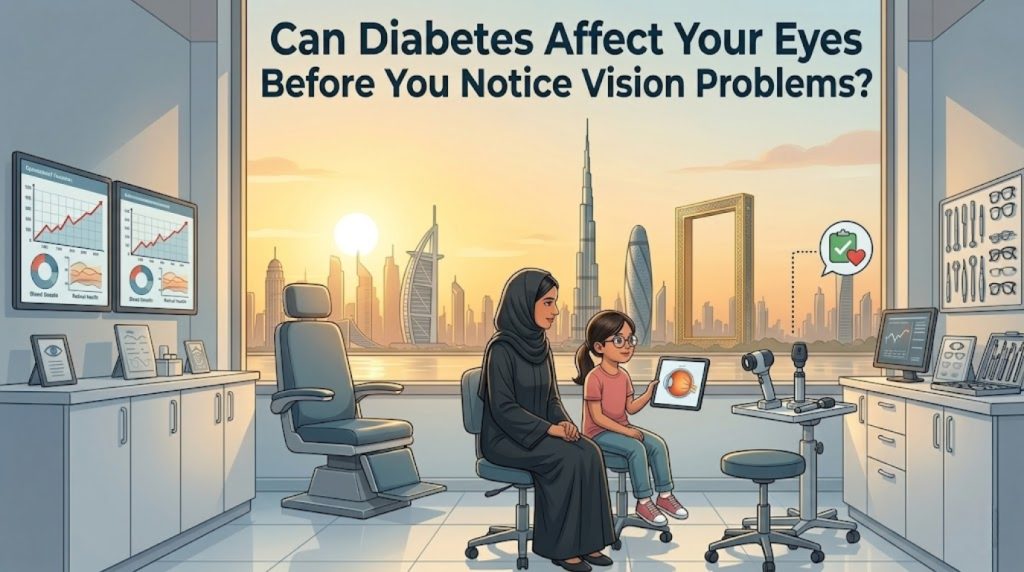
Diabetes can affect many parts of the body, including the eyes, often before noticeable vision problems begin. Many people living with diabetes assume their eyesight is fine because they can still read, drive, or use digital devices comfortably. However, damage to the retina can slowly develop without pain or obvious symptoms. This is why awareness about diabetic retinopathy Dubai is becoming increasingly important among patients seeking preventive eye care.
Diabetic eye disease is one of the leading causes of vision loss worldwide, but early diagnosis and timely treatment can significantly reduce the risk of permanent damage.
How Diabetes Affects the Eyes
The retina is the light-sensitive layer at the back of the eye responsible for clear vision. High blood sugar levels can damage the small blood vessels inside the retina over time. These weakened blood vessels may leak fluid, swell, or bleed, affecting normal retinal function.
This condition is known as diabetic retinopathy. In the early stages, patients may not notice any symptoms at all. However, the disease can continue progressing silently if left untreated.
In more advanced stages, diabetic retinopathy may lead to:
- Blurred vision
- Floaters or dark spots
- Retinal swelling
- Bleeding inside the eye
- Distorted vision
- Partial or severe vision loss
Because the condition often develops gradually, many people do not realize their eyes are affected until vision changes become significant.
Why Early Symptoms Often Go Unnoticed
One of the biggest challenges with diabetic retinopathy Dubai cases is the lack of early warning signs. Vision may appear completely normal while microscopic damage continues inside the retina.
Some patients may experience temporary blurry vision due to fluctuating blood sugar levels and assume it is minor or unrelated. Others may ignore mild symptoms until the condition becomes more serious.
This is why regular retinal examinations are strongly recommended for people with both type 1 and type 2 diabetes, even if they do not currently have vision complaints.
Common Warning Signs to Watch For
Although early diabetic retinopathy can be symptom-free, certain changes should never be ignored.
Blurred Vision
Persistent or fluctuating blurry vision may indicate retinal swelling or blood sugar-related changes.
Floaters
Dark spots, lines, or cobweb-like shapes floating in vision can sometimes result from retinal bleeding.
Difficulty Seeing at Night
Reduced night vision may be associated with retinal damage caused by diabetes.
Dark or Empty Areas in Vision
Advanced retinal disease can affect parts of the visual field.
Sudden Vision Loss
Any sudden decrease in vision requires immediate retinal evaluation.
Patients experiencing these symptoms should seek prompt consultation for diabetic retinopathy Dubai assessment and retinal care.
Importance of Regular Diabetic Eye Checkups
Routine eye screenings are one of the most effective ways to detect diabetic retinal disease early. Modern retinal imaging technologies can identify tiny changes in retinal blood vessels before symptoms develop.
Early diagnosis allows timely treatment and monitoring, helping reduce the risk of severe vision complications.
Most diabetic patients are advised to have comprehensive retinal examinations at least once a year. Patients with existing retinal damage may require more frequent follow-ups depending on the severity of the condition.
Protecting Your Vision With Diabetes
Managing diabetes effectively plays a major role in protecting long-term eye health. Helpful preventive measures include:
- Maintaining stable blood sugar levels
- Controlling blood pressure and cholesterol
- Following a healthy lifestyle
- Exercising regularly
- Avoiding smoking
- Scheduling routine retinal examinations
Early care and proper diabetes management can help slow the progression of retinal damage and preserve vision.
Conclusion
Diabetes can silently affect the eyes long before noticeable vision problems appear. Conditions such as diabetic retinopathy Dubai are becoming increasingly common due to rising diabetes rates and delayed eye screenings. Regular retinal checkups, early diagnosis, and proper diabetes control are essential for protecting vision and preventing long-term complications. Patients should never wait for symptoms to appear before seeking professional eye care.